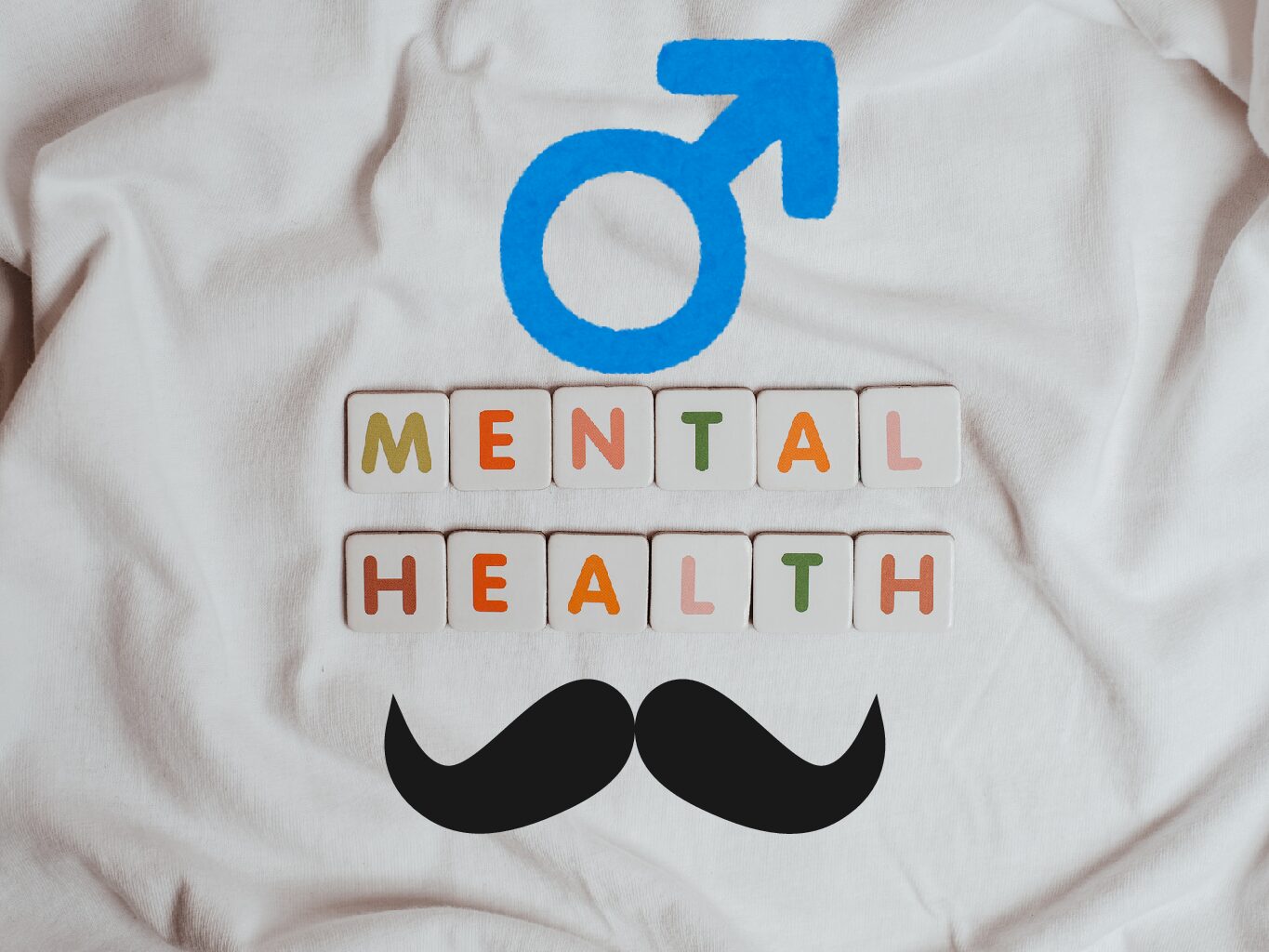
Therapy for Men: Breaking Down the Stigma
If you're a man reading this. You don't have to be in an emergency situation to ask for help. You can ask for help before that situation as well. Whatever you're carrying right now — this space is for
Featured Image by Freepik A reflective essay on what we feel, why we hide it, and what it costs us There is a conversation most of us never had growing up. Not about careers, or relationships, or what we
April arrives gently, carrying with it the quiet promise of renewal. After months of heaviness, both in nature and within ourselves, something begins to shift. The days stretch a little longer, the air softens, and life slowly returns. This
The conversations around mental health are becoming more open, and at the same time many people are still held back by lingering misconceptions about therapy. These beliefs can delay or prevent meaningful support. Let’s gently challenge some of the
Major life transitions can quietly shake the foundation of how we see ourselves. Divorce, job loss, relocating to a new country, or stepping into a new role as a partner or parent often bring more than external change—they can
Understanding how guilt-shaped identities can be transformed into self-worth and emotional freedom In many South Asian families, guilt and shame are not just emotions—they often function as tools of discipline, motivation, and protection. Statements like “What will people say?”
The beginning of a new year often invites self- reflection and hoping for a new start. Many people feel pressure to set resolutions or make immediate changes, yet real psychological growth rarely comes from forcing ourselves to be different.
In many South Asian families, silence often speaks louder than words. We express love through actions—making a favorite meal, ensuring everyone is cared for, or working tirelessly to provide. But when it comes to expressing sadness, disappointment, or emotional
Our earliest experiences shape how we see ourselves, others, and the world. Childhood patterns—such as people-pleasing, fear of conflict, or difficulty expressing emotions—often develop as survival strategies. While they may have helped us cope as children, these same patterns
Have you ever said something in the heat of the moment and regretted it later? Or felt hijacked by your emotions before you could think clearly? You’re not alone. Emotional regulation is the ability to manage and respond to