
October 26, 2026
A Halloween-week reflection
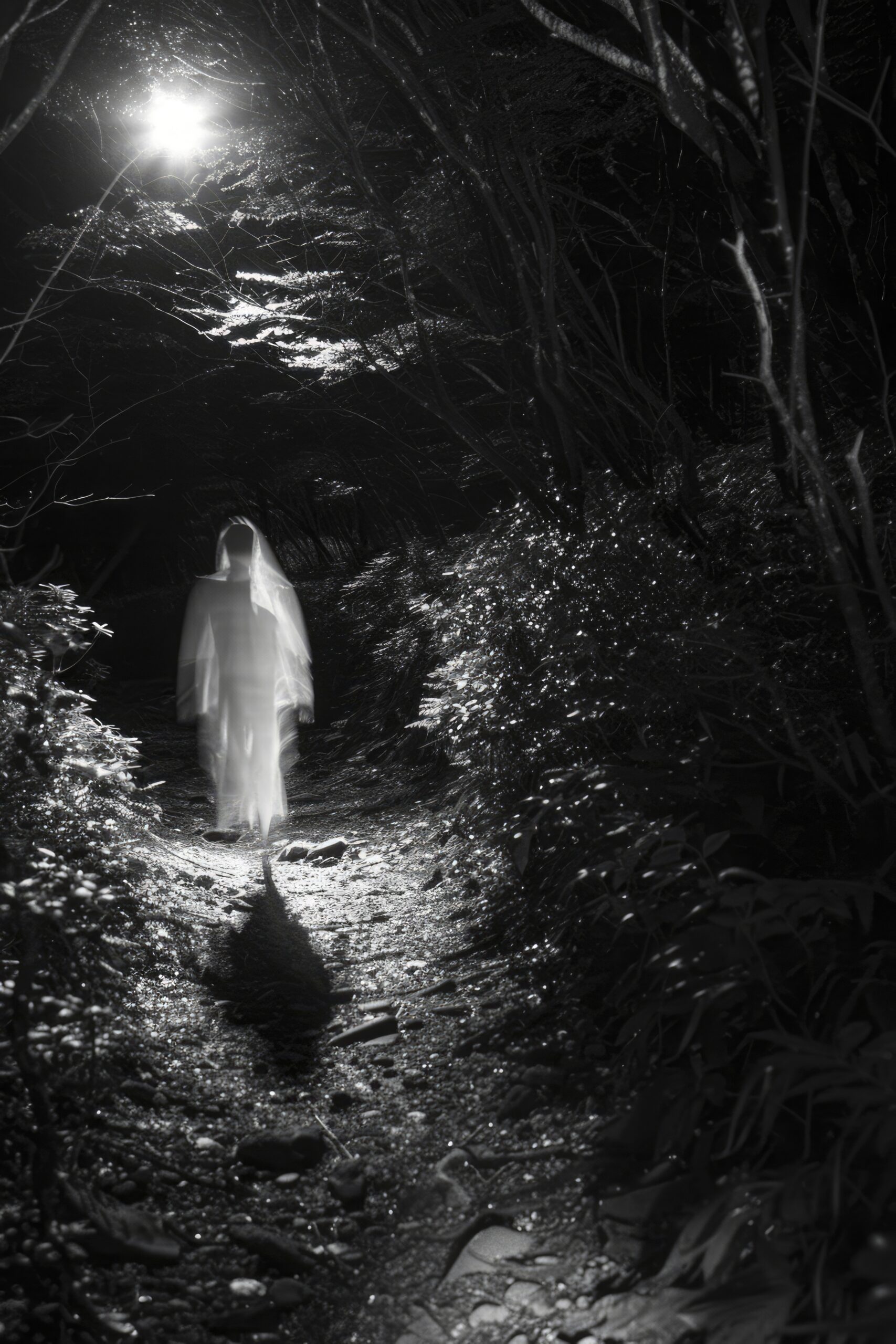
This time of year, we love a good haunting.
Additionally, we decorate our porches with ghosts.
We watch films about houses that can’t let go of their dead.
Furthermore, we laugh at the idea of things that go bump in the night, past trauma included.
But many people live with a quieter kind of haunting, one with no cobwebs or flickering lights. It looks like a sudden wave of dread that seems out of proportion to the moment. It looks like a relationship pattern that keeps repeating with different people, or a harsh inner voice that sounds a lot like someone from long ago.
If this sounds familiar, you’re not dealing with past trauma, and you’re not broken. Additionally, you may be carrying something that was never given room to be processed.
The past doesn’t stay in the past, let’s explore why?
When an experience is overwhelming, the mind and body don’t always file it away as “over.” Instead, parts of it can stay active, ready to react as though the danger is still here. The unresolved trauma often shows up not as a clear memory, but as a feeling, a reaction, or a pattern.
Some common ways it appears:
Emotional echoes: Strong reactions that seem bigger than the present situation, like panic over a short text reply or anger over a minor criticism.
Body-based signals: Tension, a racing heart, trouble sleeping, or feeling numb or “far away.”
Repeating patterns: Choosing similar partners, jobs, or dynamics, even when you consciously want something different.
Avoidance: Steering clear of certain places, topics, or feelings, sometimes without realizing why.
A harsh inner critic: Beliefs like “I’m too much,” “I’m not safe,” or “it’s my fault” that feel like facts rather than old conclusions.
Just as a ghost story often turns on a house trying to tell someone something, these reactions aren’t random. They are the mind’s attempt to protect you, using rules it learned a long time ago.
Three ways therapy helps you “meet the ghost”
In my work, I draw on three complementary approaches.
Psychodynamic therapy: understanding where it comes from. Many hauntings persist because we don’t know what we’re reacting to. Psychodynamic work explores how early experiences and relationships shaped the patterns you live with now. Once you can see the origin, the pattern often loses some of its power over you.
CBT: changing how it plays out today. The old rules show up as automatic thoughts (“something bad is about to happen”) and behaviours (avoidance, withdrawal, over-control). CBT helps you notice those thoughts, test them against present reality, and gradually build new responses.
Mindfulness: staying present when the past knocks. When something from the past is triggered, it can feel as though it’s happening now. Mindfulness builds the ability to notice a reaction, name it, and stay grounded in the present moment rather than being pulled under.
Together, these approaches let us understand the story, shift the patterns, and steady the body, at a pace that feels safe.
A small practice for this week
Next time a wave of emotion arrives that feels bigger than the moment, try this:
Pause and name it: Simply naming what you are feeling is helpful.
Ground yourself: Feel the sensation in your body. Get in touch with your breathing.
Ask yourself gently, have you experienced this earlier. Usually, the answer tells you a lot about what’s happening within your body.
Remind yourself: “That was then. Right now, in this room, I am here.”
This isn’t a cure, but it’s a way of turning toward the ghost rather than running from it.
You don’t have to face it alone
In the stories, the haunting usually ends not by fleeing the house, but by finally listening to what’s been waiting to be heard. The same also often true for us.
If past trauma from your life is shaping your present, therapy can offer a steady place to explore it. Additionally, book a free consultation to learn more.